
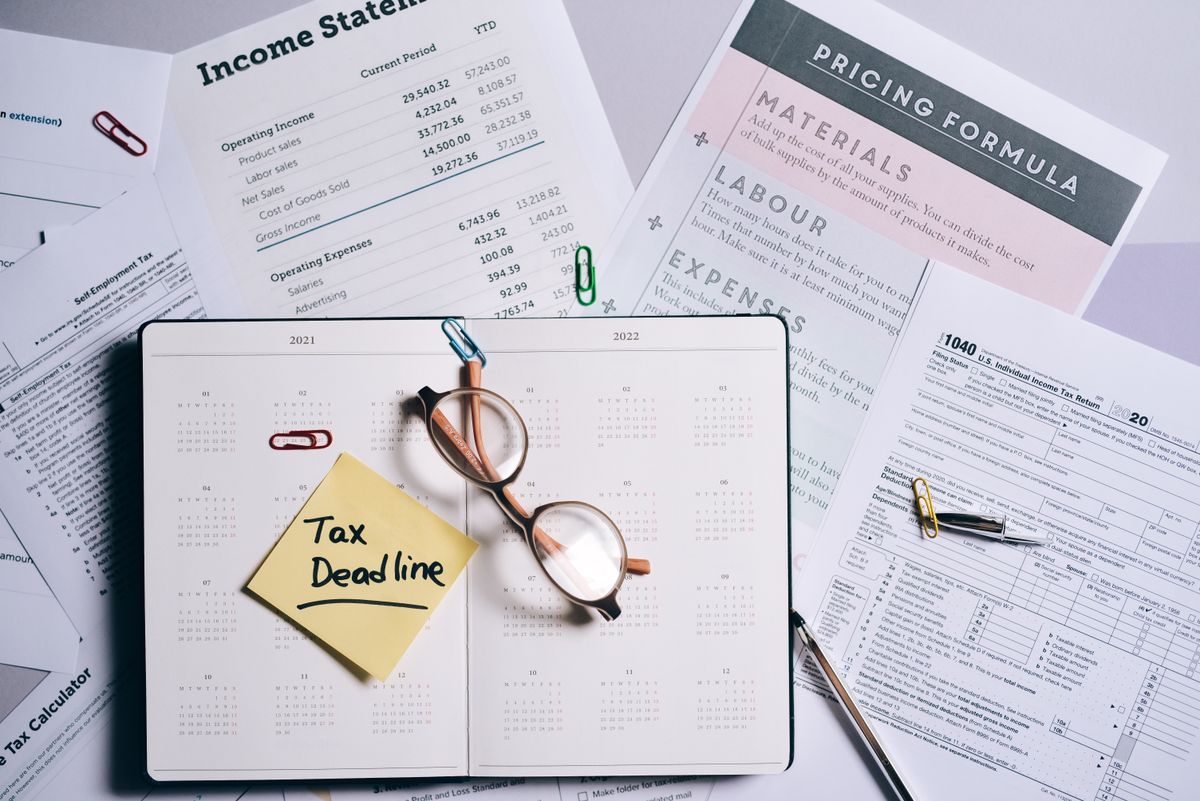
Self Assessment mistakes are more common than most filers realise, ranging from simple administrative oversights to genuine calculation errors that can result in either overpaying tax unnecessarily or facing penalties for underpayment. Understanding the most frequent mistakes, and specifically how to avoid each one, can save both money and considerable stress.
Quick Answer
In short: The most common Self Assessment mistakes include missing registration or filing deadlines, poor record-keeping leading to inaccurate figures, missing legitimate allowable expenses, not accounting for payments on account, and errors in reporting income from multiple sources. Maintaining organised records throughout the year and understanding your specific obligations helps avoid most of these common pitfalls.
Key Takeaways
- Missing the registration deadline (5 October) or filing deadline (31 January) results in automatic penalties, even if no tax is ultimately owed.
- Poor record-keeping throughout the year, rather than organised tracking, is one of the most common sources of errors and stress at filing time.
- Missing legitimate allowable expenses means paying more tax than genuinely necessary.
- Not understanding or budgeting for payments on account can create significant, unexpected financial pressure.
- Errors in reporting income from multiple sources, employment alongside self-employment, for example, are a common and avoidable mistake.
Mistake 1: Missing Key Deadlines
As covered in our beginner’s guide to Self Assessment, missing the 5 October registration deadline or the 31 January filing and payment deadline results in automatic penalties, regardless of whether tax is ultimately owed. Setting calendar reminders well ahead of these dates, rather than relying on memory alone, is a simple but genuinely effective way to avoid this common mistake.
Mistake 2: Poor Record-Keeping Throughout the Year
Attempting to reconstruct a full year’s income and expenses close to the filing deadline is both stressful and prone to error, compared with maintaining organised records consistently throughout the tax year. Using simple digital tools, dedicated apps, or even a straightforward spreadsheet updated regularly considerably reduces the risk of errors and last-minute stress.
Mistake 3: Missing Legitimate Allowable Expenses
Many Self Assessment filers, particularly the self-employed, miss legitimate expenses they’re entitled to deduct, resulting in paying more tax than genuinely necessary. Understanding what counts as an allowable expense for your specific circumstances, and maintaining appropriate records to support these claims, ensures you’re not overpaying.
Mistake 4: Not Understanding Payments on Account
As covered in our beginner’s guide, payments on account are advance payments towards your next tax year’s bill, required for some Self Assessment taxpayers alongside their current year’s payment. Not understanding or budgeting for this additional payment requirement is a common source of unexpected financial pressure that catches many first-time and even experienced filers off guard.
Mistake 5: Errors in Reporting Multiple Income Sources
Those with income from multiple sources, employment alongside self-employment, rental income alongside a salary, or various investment income streams, sometimes make errors in accurately reporting each source, either through oversight or misunderstanding how different income types should be declared.
Mistake 6: Incorrect National Insurance Calculations for the Self-Employed
Self-employed individuals sometimes miscalculate their Class 2 and Class 4 National Insurance obligations, either through misunderstanding current thresholds or simple calculation errors, resulting in either overpayment or underpayment that requires later correction.
Comparison Table: Common Mistakes and How to Avoid Them
| Mistake | Consequence | How to Avoid |
|---|---|---|
| Missing deadlines | Automatic penalties | Set calendar reminders well ahead of key dates |
| Poor record-keeping | Errors, stress, inaccurate figures | Maintain organised records throughout the year |
| Missing allowable expenses | Overpaying tax | Research specific allowable expenses for your situation |
| Not understanding payments on account | Unexpected financial pressure | Understand and budget for this in advance |
| Multiple income source errors | Incorrect tax calculation | Carefully report each income source accurately |
| National Insurance calculation errors | Over/underpayment requiring correction | Understand current Class 2/4 thresholds and rates |
Step-by-Step: Avoiding Common Self Assessment Mistakes
Step 1: Set calendar reminders for key deadlines well in advance.
Registration by 5 October, filing and payment by 31 January, with reminders set weeks or months ahead rather than close to the actual dates.
Step 2: Establish organised record-keeping from the start of the tax year.
Rather than waiting until filing time, maintain consistent records throughout, using digital tools or a simple spreadsheet updated regularly.
Step 3: Research allowable expenses relevant to your specific circumstances.
Understanding what you’re legitimately entitled to deduct ensures accurate reporting without overpaying.
Step 4: Understand your payments on account position in advance.
Check whether this applies to you and budget accordingly, rather than being caught off guard at payment time.
Step 5: Carefully report each income source accurately and separately.
Take particular care if you have multiple income types, ensuring each is correctly declared according to its specific rules.
Step 6: Double-check National Insurance calculations if self-employed.
Understanding current Class 2 and Class 4 thresholds helps ensure accurate calculation rather than relying on potentially outdated assumptions.
Common Mistakes People Make (Meta-Level Oversights)
- Leaving everything until the January deadline. This increases stress, the risk of errors from rushing, and the potential for technical issues preventing timely submission.
- Not seeking help when genuinely uncertain. For complex situations, professional support or HMRC’s own guidance resources can prevent costly errors that self-navigation might otherwise produce.
- Assuming previous years’ rules and figures remain unchanged. Thresholds, allowances, and specific rules can change between tax years, making it important to check current guidance rather than relying on memory of previous filings.
- Not reviewing the return before submission. A careful final review can catch obvious errors or omissions before they become genuine problems requiring later correction.
- Ignoring HMRC correspondence or queries. Promptly addressing any HMRC communication, rather than delaying, helps resolve potential issues before they escalate into more significant complications.
Real UK Scenarios
Scenario 1: Daniel, avoiding the deadline mistake through early reminders.
After previously filing at the very last minute and experiencing considerable stress, Daniel set calendar reminders months ahead of both the registration and filing deadlines, finding his subsequent filing experience considerably smoother and less rushed.
Scenario 2: Priya, correcting a previous expense oversight.
Reviewing her previous year’s return with fresh eyes, Priya realised she’d missed claiming several legitimate allowable expenses, prompting her to research this area more thoroughly and maintain better records going forward to avoid repeating this costly oversight.
Scenario 3: Marcus, budgeting for payments on account after being caught off guard previously.
After an unexpected payments on account requirement created genuine financial strain in his first year of Self Assessment, Marcus specifically budgeted for this in subsequent years, avoiding the same stressful surprise.
Expert Tips
- Set calendar reminders for key deadlines well in advance, rather than relying on memory close to the actual dates.
- Maintain organised records throughout the tax year, using digital tools or a simple spreadsheet, rather than reconstructing everything at filing time.
- Research allowable expenses specific to your circumstances thoroughly, ensuring you’re not paying more tax than genuinely necessary.
- Understand and budget for payments on account if applicable to your situation, avoiding unexpected financial pressure.
- Review your return carefully before submission, checking for obvious errors or omissions that a final read-through might catch.
Pros and Cons of Careful Self Assessment Preparation
Pros:
– Significantly reduces risk of penalties from missed deadlines or errors
– Ensures accurate tax calculation, avoiding both overpayment and underpayment
– Reduces stress considerably compared with last-minute, disorganised filing
– Builds a sustainable, repeatable system for future tax years
Cons:
– Requires ongoing time investment throughout the year, rather than a single annual effort
– May reveal a need for professional support for genuinely complex situations
– Understanding all relevant rules and allowances requires proactive research
Frequently Asked Questions
What happens if I miss the Self Assessment deadline?
You’ll typically face an automatic penalty, even if no tax is ultimately owed, making timely registration and filing important regardless of your specific tax position.
How can I avoid Self Assessment record-keeping mistakes?
Maintaining organised records throughout the tax year, rather than reconstructing everything close to the filing deadline, considerably reduces the risk of errors and last-minute stress.
What are commonly missed allowable expenses?
This varies by individual circumstances, but self-employed individuals particularly often miss legitimate business-related costs they’re entitled to deduct, making thorough research into your specific situation worthwhile.
How do I avoid being caught off guard by payments on account?
Understanding whether this applies to your situation in advance, and budgeting accordingly rather than waiting until payment time, helps avoid unexpected financial pressure.
What’s a common mistake with multiple income sources?
Errors in accurately reporting each specific income type, whether employment, self-employment, rental, or investment income, are common, making careful, separate reporting of each source important.
Do self-employed people often make National Insurance calculation errors?
Yes, misunderstanding current Class 2 and Class 4 thresholds or making simple calculation errors is a common mistake, making it worth checking current specific figures rather than relying on assumptions.
Should I review my Self Assessment return before submitting?
Yes, a careful final review can catch obvious errors or omissions before submission, potentially avoiding the need for later correction.
What should I do if I’m uncertain about a specific Self Assessment question?
Seeking help, whether through HMRC’s own guidance resources or professional support for more complex situations, is generally worthwhile rather than guessing and risking a costly error.
How do I avoid leaving everything until the January deadline?
Setting reminders well in advance, and establishing organised record-keeping habits throughout the year, helps avoid the stress and error risk associated with last-minute filing.
What should I do if HMRC contacts me about my return?
Address any correspondence or queries promptly, rather than delaying, to help resolve potential issues before they escalate into more significant complications.
Conclusion
Self Assessment mistakes, from missed deadlines to overlooked allowable expenses, are genuinely common, but understanding these frequent pitfalls provides a clear roadmap for avoiding them. Setting reminders well in advance, maintaining organised records throughout the year rather than at filing time, and thoroughly researching your specific allowable expenses and obligations all contribute to a considerably smoother, more accurate filing experience.
Taking a proactive, organised approach throughout the tax year, rather than treating Self Assessment as a single stressful event each January, transforms this from a source of genuine anxiety into a manageable, routine annual process, while ensuring you neither overpay tax unnecessarily nor face avoidable penalties for errors or missed deadlines.
This article is for educational purposes and should not be considered financial advice.
