
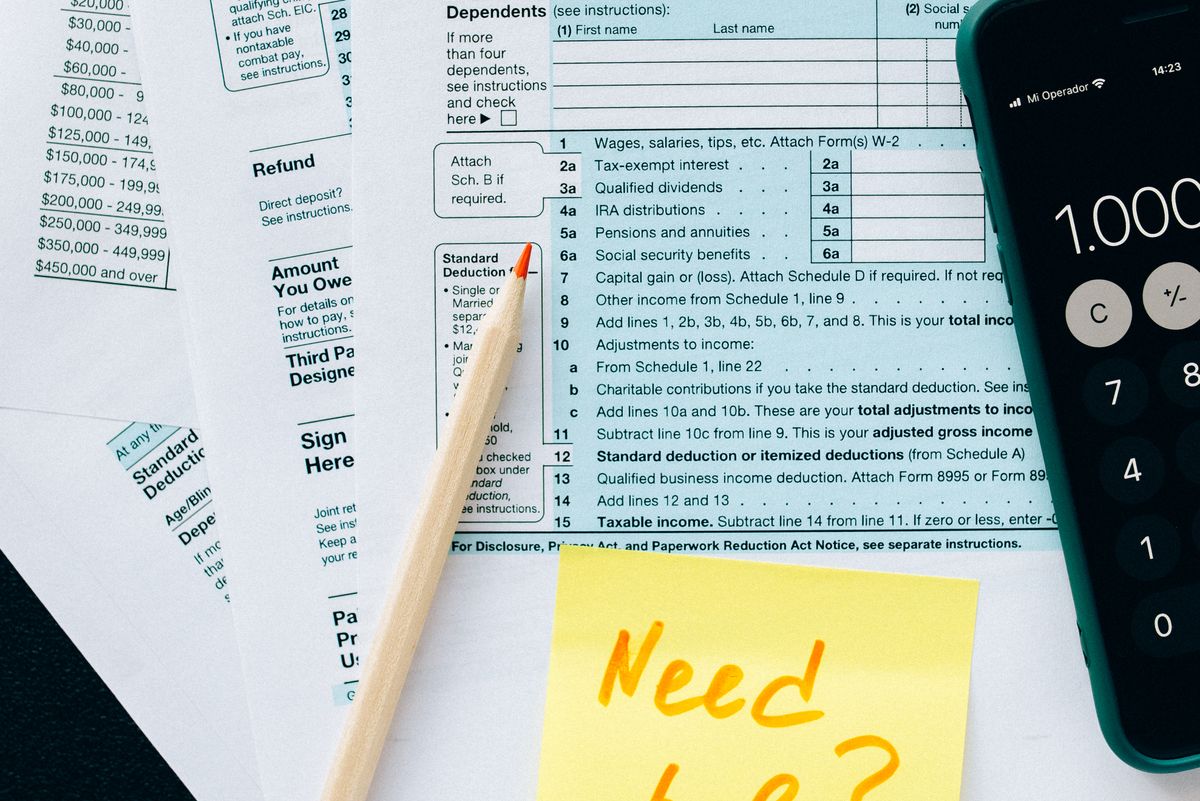
Capital Gains Tax has something of an image problem, often assumed to be a concern only for the genuinely wealthy with substantial investment portfolios. In reality, more ordinary people encounter this tax than many realise, particularly given reductions to the annual tax-free allowance in recent years, making it worth understanding even for relatively modest asset sales.
This pairs well with our guide on income tax bands explained simply.
Quick Answer
In short: Capital Gains Tax applies when you sell or dispose of an asset that has increased in value, such as shares outside an ISA, a second property, or valuable personal possessions above a certain value, if your total gain exceeds your annual tax-free allowance. Your main home is typically exempt through Private Residence Relief, and the rate you pay depends on your overall income tax band.
Key Takeaways
- Capital Gains Tax applies to profits made when selling or disposing of certain assets, not to the total sale value itself.
- Your main home is typically exempt from Capital Gains Tax through Private Residence Relief, though this doesn’t apply to second homes or buy-to-let properties.
- The annual tax-free Capital Gains Tax allowance has reduced significantly in recent years, meaning more people now have a potential liability than previously.
- Assets held within an ISA or pension are generally exempt from Capital Gains Tax entirely.
- Understanding your specific gain calculation, including allowable costs you can deduct, matters considerably for accurate reporting.
What Triggers Capital Gains Tax
Capital Gains Tax applies when you dispose of an asset that has increased in value since you acquired it. “Disposal” includes selling an asset, but also gifting it (with specific exceptions, such as gifts to a spouse or civil partner) or, in some cases, exchanging it for something else of value.
Common assets that can trigger Capital Gains Tax include shares held outside an ISA, second properties or buy-to-let investments, valuable personal possessions above a certain value threshold, and business assets in some circumstances.
Your Main Home Is Usually Exempt
Private Residence Relief typically exempts your main home from Capital Gains Tax when you sell it, provided it’s genuinely been your only or main residence throughout your ownership period. This is why most people never encounter Capital Gains Tax on selling their primary home, though this exemption doesn’t extend to second properties, buy-to-let investments, or homes that haven’t been your main residence throughout ownership.
Understanding the Annual Tax-Free Allowance
Each tax year, a specific amount of capital gains is tax-free, known as the Annual Exempt Amount. This allowance has been reduced considerably in recent tax years, meaning gains that previously fell entirely within the tax-free allowance may now exceed it, creating a Capital Gains Tax liability for people who wouldn’t previously have had one.
Checking the current allowance directly via GOV.UK each tax year is worthwhile, given the recent pattern of reductions.
How Capital Gains Tax Rates Work
The rate of Capital Gains Tax you pay depends on your overall taxable income, with basic rate taxpayers paying a lower rate than higher and additional rate taxpayers, and different rates applying to different asset types (for example, residential property typically has different rates than other assets). Checking current specific rates for your situation via GOV.UK is important, since these figures are subject to periodic change.
Assets Exempt From Capital Gains Tax
ISA holdings. Investments held within a Stocks and Shares ISA are entirely exempt from Capital Gains Tax, regardless of the gain’s size.
Pension investments. Similarly, growth within pension wrappers is exempt from Capital Gains Tax.
Your main home (subject to Private Residence Relief conditions being met throughout ownership).
Personal possessions below a specific value threshold, such as certain personal items sold for a modest amount.
Gifts to a spouse or civil partner, which typically don’t trigger an immediate Capital Gains Tax liability, though the recipient inherits the original acquisition cost for their own future calculation.
Comparison Table: Common Assets and Capital Gains Tax Treatment
| Asset Type | Typical Capital Gains Tax Treatment |
|---|---|
| Main home | Usually exempt (Private Residence Relief) |
| Second home/buy-to-let property | Subject to Capital Gains Tax on gain |
| Shares within an ISA | Exempt |
| Shares outside an ISA | Subject to Capital Gains Tax on gain |
| Pension investments | Exempt |
| Valuable personal possessions | Subject to CGT above specific value thresholds |
| Gifts to spouse/civil partner | Generally exempt (specific transfer rules apply) |
Step-by-Step: Calculating Your Capital Gains Tax Liability
Step 1: Identify all asset disposals during the tax year.
This includes sales, gifts (with specific exceptions), and other qualifying disposals of relevant assets.
Step 2: Calculate your gain for each asset.
This is the difference between your disposal value and your original acquisition cost, plus certain allowable expenses.
Step 3: Deduct allowable costs and expenses.
Certain costs associated with acquiring, improving, or disposing of the asset can typically be deducted from your gain calculation.
Step 4: Total your gains and compare against your annual tax-free allowance.
Only gains exceeding this allowance are subject to Capital Gains Tax.
Step 5: Apply the relevant tax rate based on your income and asset type.
This determines your actual Capital Gains Tax liability on the portion of gain exceeding your allowance.
Step 6: Report and pay through Self Assessment or the relevant online service.
Certain gains, particularly on residential property, may have specific, shorter reporting deadlines separate from standard Self Assessment timing.
Common Mistakes People Make
- Assuming Capital Gains Tax only affects the wealthy. Given the reduced annual allowance, more ordinary asset sales, second properties, share portfolios, valuable possessions, can now trigger a liability than previously.
- Not understanding that gifting an asset can trigger Capital Gains Tax. Beyond specific exceptions like spousal transfers, gifting an appreciated asset is generally treated as a disposal for tax purposes.
- Overlooking allowable costs that reduce the taxable gain. Certain expenses associated with acquiring, improving, or disposing of an asset can typically be deducted, reducing your overall liability.
- Missing specific, shorter reporting deadlines for residential property gains. These often require reporting and payment within a shorter window than standard Self Assessment timing.
- Not accounting for the reduced annual allowance in recent tax years. Assuming previous years’ allowance figures remain unchanged can result in inaccurate assumptions about your liability.
Real UK Scenarios
Scenario 1: Fatima, selling shares held outside an ISA.
After selling a portfolio of shares held outside an ISA at a meaningful profit, Fatima calculated her gain, deducted allowable costs, and found the resulting figure exceeded her annual tax-free allowance, requiring her to report and pay Capital Gains Tax on the excess through Self Assessment.
Scenario 2: Daniel, selling a second property.
When Daniel sold a buy-to-let property he’d owned for several years, he calculated his gain based on the increase in value since purchase, understanding this specific, shorter reporting deadline for residential property gains applied to his situation.
Scenario 3: Priya, gifting shares to her spouse.
Rather than gifting appreciated shares to an adult child, which would have triggered a Capital Gains Tax calculation, Priya specifically transferred them to her spouse first, understanding this particular transfer type is generally exempt from an immediate liability.
Expert Tips
- Check the current annual Capital Gains Tax allowance each tax year via GOV.UK, given the pattern of recent reductions affecting more taxpayers than previously.
- Understand that gifting an asset, beyond specific exceptions like spousal transfers, is generally treated as a disposal that can trigger Capital Gains Tax.
- Keep records of allowable costs associated with acquiring, improving, or disposing of assets, since these can reduce your overall taxable gain.
- Be aware of specific, shorter reporting deadlines for residential property gains, which differ from standard Self Assessment timing.
- Consider holding investments within an ISA or pension where possible, to benefit from complete Capital Gains Tax exemption on any growth.
Pros and Cons of Understanding Capital Gains Tax Thoroughly
Pros:
– Ensures accurate reporting and avoids potential penalties for missed or incorrect declarations
– Helps identify legitimate ways to reduce your taxable gain through allowable costs
– Supports more informed decisions about asset holding structures, such as using ISAs where beneficial
Cons:
– Requires ongoing awareness of current allowances and rates, which are subject to periodic change
– Calculating gains accurately, particularly with multiple asset transactions, can become complex
– Specific reporting deadlines for certain assets add complexity beyond standard Self Assessment timing
Frequently Asked Questions
Do I have to pay Capital Gains Tax on my main home?
Generally no, provided it’s genuinely been your only or main residence throughout your ownership period, qualifying for Private Residence Relief.
What is the Capital Gains Tax annual allowance?
This is the amount of capital gains that’s tax-free each year, which has reduced significantly in recent tax years, making it worth checking the current figure via GOV.UK.
Does Capital Gains Tax apply to shares in an ISA?
No, investments held within a Stocks and Shares ISA are entirely exempt from Capital Gains Tax, regardless of the gain’s size.
Do I pay Capital Gains Tax if I gift an asset to someone?
Generally yes, gifting an appreciated asset is typically treated as a disposal for Capital Gains Tax purposes, with specific exceptions such as gifts to a spouse or civil partner.
How is Capital Gains Tax calculated on a second property?
Based on the increase in value between your acquisition and disposal, minus allowable costs, with the resulting gain subject to Capital Gains Tax above your annual allowance.
What rate of Capital Gains Tax will I pay?
This depends on your overall taxable income and the specific asset type, with basic rate taxpayers generally paying a lower rate than higher and additional rate taxpayers.
Are there specific deadlines for reporting Capital Gains Tax on property?
Yes, residential property gains often have a specific, shorter reporting and payment deadline than standard Self Assessment timing, so checking current requirements is important.
Can I deduct any costs from my Capital Gains Tax calculation?
Yes, certain costs associated with acquiring, improving, or disposing of the asset can typically be deducted, reducing your overall taxable gain.
Does Capital Gains Tax apply to pension investments?
No, growth within pension wrappers is generally exempt from Capital Gains Tax, similar to the treatment of ISA investments.
Is Capital Gains Tax only relevant to wealthy people?
Not necessarily; given the reduced annual allowance in recent years, more ordinary asset sales, including second properties, share portfolios, and valuable possessions, can now trigger a liability than previously.
Conclusion
Capital Gains Tax is genuinely more relevant to everyday people than the “tax for the wealthy” reputation might suggest, particularly given the significantly reduced annual tax-free allowance in recent years. Understanding when it applies, what’s typically exempt, including your main home, ISAs, and pensions, and how to calculate your gain accurately, including allowable cost deductions, ensures you can report and manage this tax correctly.
Given the periodic changes to allowances and rates, checking current figures directly via GOV.UK before any significant asset disposal, and understanding specific reporting deadlines for certain assets like residential property, helps ensure accurate compliance rather than relying on potentially outdated assumptions.
This article is for educational purposes and should not be considered financial advice.
