
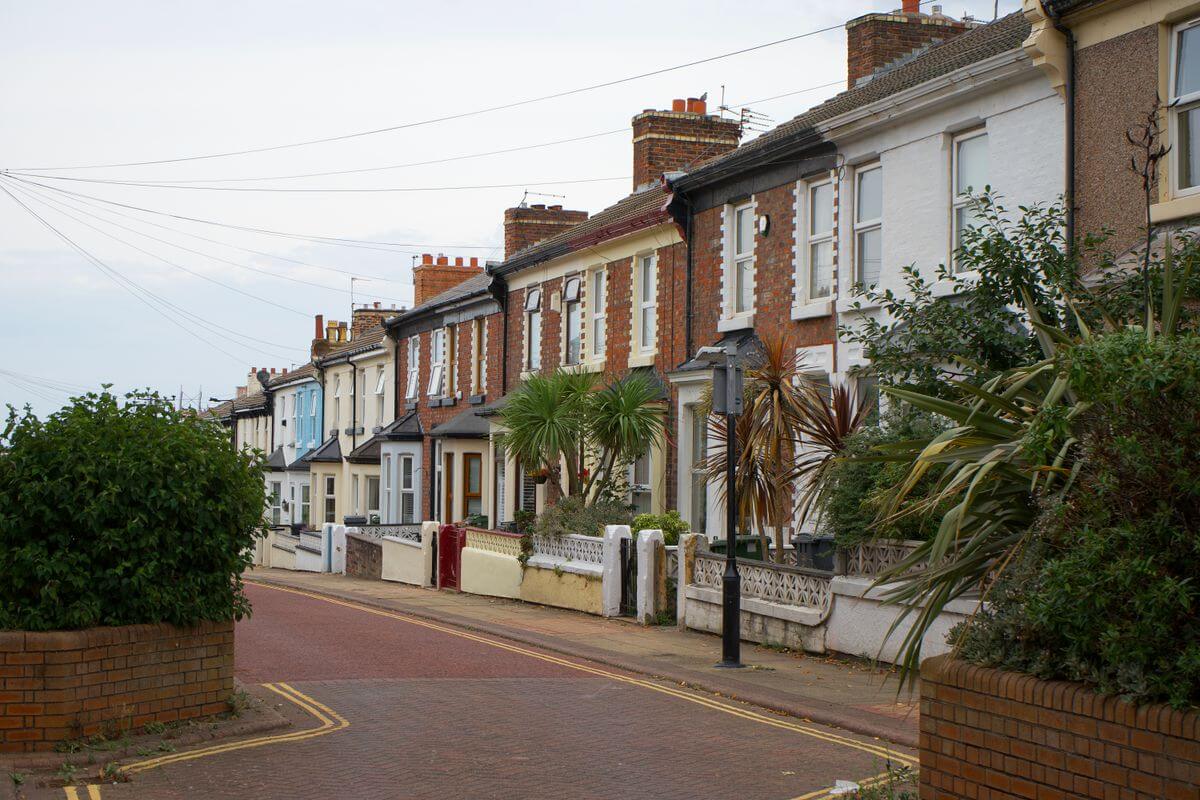
Freehold means owning both the property and the land outright, indefinitely — no ground rent, no landlord, no lease expiry. Leasehold means owning the right to occupy the property for the remaining lease term, with the freeholder owning the land and typically the building structure. Most houses are freehold; most flats are leasehold. Leases below 80 years become expensive to extend and hard to mortgage. Service charges and any remaining ground rent add significant ongoing costs. Always check lease length, service charge history, and ground rent terms before buying any leasehold.
Leasehold is a genuinely important distinction to understand before buying property in the UK — particularly for flats, where almost all properties are leasehold. Discovering a lease has 68 years remaining or carries an escalating ground rent clause mid-purchase is an extremely stressful experience that proper upfront research can prevent entirely.
Freehold Ownership
Freehold means you own the building and the land it stands on, permanently and without time limit. No landlord above you, no rent to pay for the land, no lease to manage or extend. You bear all maintenance costs directly and have complete autonomy (subject to planning law) over what you do with the property.
Most houses in England and Wales are sold freehold. Buying freehold is significantly simpler and involves far fewer ongoing complications than leasehold.
Leasehold Ownership
Leasehold means you own the right to occupy the property for the remaining term of the lease — which might be 999 years, 125 years, or considerably less. The freeholder owns the land and typically the building's structural elements. As a leaseholder, you pay service charges, may pay ground rent on older leases, and are subject to the terms of the lease for any alterations or subletting.
Lease Length: Why It Matters
- Above 100 years: straightforward to mortgage and sell; no urgency to extend
- 80-100 years: some lenders get cautious; advisable to extend before reaching 80 years
- Below 80 years: significantly harder to mortgage; "marriage value" makes extension more expensive; strongly advisable to extend immediately
- Below 70 years: very hard to mortgage; major deterrent to buyers; extension essential
Extending a lease below 80 years triggers marriage value — an additional cost element paid to the freeholder that makes extensions considerably more expensive. Extending before reaching 80 years is strongly advisable.
Ground Rent
The Leasehold Reform (Ground Rent) Act 2022 banned ground rent on new residential leases in England and Wales — new leases must be "peppercorn" (effectively zero). However, millions of existing leases still carry ground rent clauses, sometimes with escalation provisions (doubling every 10-25 years). Properties with onerous ground rents are difficult to sell and may be unmortgageable.
Service Charges
All leaseholders pay service charges covering building maintenance, insurance, communal areas, and management fees. These vary enormously — from a few hundred pounds per year in small low-maintenance buildings to several thousand per year in large managed developments. Always request three years of service charge accounts and check for any major works planned that could generate large one-off demands.
Share of Freehold
Leasehold flats where the leaseholders collectively own the freehold (share of freehold) are considerably more attractive than third-party freehold. Share of freehold gives leaseholders control over service charges and allows lease extensions to be arranged informally at lower cost. Worth paying a premium for in the right property.
For detailed leaseholder guidance and free advice, the Leasehold Advisory Service (LEASE) is the authoritative independent source.
Frequently Asked Questions
Can I extend my lease?
Yes — after owning a flat for two years, you have a statutory right to a 90-year lease extension at zero ground rent. Cost depends on remaining term and property value. Always get a specialist leasehold surveyor's valuation before proceeding.
What is commonhold?
Commonhold is an alternative to leasehold for flats where each owner holds their flat as freehold and collectively owns the common areas. It's been available since 2002 but remains very rare. Government reforms are working to make it more widely available.
